EV Range Calculator
Estimate electric vehicle driving range in miles and kilometers supporting mi/kWh, Wh/mi, km/kWh, and kWh/100km with weather/speed derating.
Step-by-step calculation
- Available Pack Energy = 75 kWh × 80% = 60.00 kWh
- Estimated Range = 210.0 mi (338.0 km)
Formula
Input definitions
| Symbol | Input | Unit | Meaning & code relevance |
|---|---|---|---|
| kWh | Usable Battery Capacity | kWh | Nominal energy storage rating in amp-hours (Ah) or kilowatt-hours (kWh) before applying Depth of Discharge (DoD). |
| SoC | Current State of Charge | % | Steady-state operating load current in amperes; compare with NEC Table 310.16 or IEC 60364-5-52 conductor ampacity. |
| Unit | Efficiency / Consumption Unit | — | Ratio of useful output power to total input power expressed as a percentage (η = P_out / P_in × 100). |
| Eff | Efficiency / Consumption Value | — | Ratio of useful output power to total input power expressed as a percentage (η = P_out / P_in × 100). |
| Factor | Weather / Speed Condition Factor | % | Engineering input parameter for weather / speed condition factor measured in %, evaluated in real-time by the solver. |
Worked example
75 kWh Battery at 80% SoC and 3.5 mi/kWh
Estimate remaining range in miles and kilometers.
- Usable energy = 75 kWh × 0.80 = 60.0 kWh.
- Range = 60.0 kWh × 3.5 mi/kWh = 210.0 miles (338.0 km).
Assumptions
- Entered battery capacity is the usable net kWh of the pack (excluding locked top/bottom buffers).
- Vehicle efficiency remains steady for the terrain, speed, and climate conditions of the trip.
- Both 0% theoretical range and a practical 10% SoC reserve buffer range are reported.
Limitations
- In real driving, you should keep a 10%–15% State of Charge reserve buffer before reaching a charger.
- High-speed highway driving (>70 mph / 115 km/h), headwinds, freezing weather, and towing reduce efficiency by 20% to 45%.
How it works
Computes available pack energy in kWh, applies an optional weather/highway condition factor, and converts energy into both miles and kilometers across all four standard EV efficiency conventions (mi/kWh, Wh/mi, km/kWh, and kWh/100km).
When to use it
- Estimating real-world electric vehicle driving range in miles and kilometers from usable battery capacity (kWh), starting SoC %, and consumption rate.
- Converting between mi/kWh, Wh/mi, kWh/100km, and km/kWh efficiency metrics across EPA and WLTP vehicle ratings.
- Planning highway winter or towing trips by applying speed, cold-weather cabin heating, and reserve buffer adjustments.
Practical real-world applications
- Winter Highway Trip Planning: Calculating usable range between chargers when operating between 80% and 10% SoC (70% usable window) at 340 Wh/mi.
- Used EV Battery Degradation Assessment: Estimating remaining full-charge range of a high-mileage EV based on its current State of Health (SoH) usable kWh.
- Towing & Roof-Box Consumption Modeling: Evaluating how a 35% aerodynamic drag increase impacts distance between DC fast-charging stops.
Original Editorial Review & Technical Evaluation
Estimates real-world electric vehicle driving range from usable battery kWh, active State of Charge window (%), and vehicle consumption efficiency (Wh/mi or kWh/100km).
EV owners planning highway road-trip legs, fleet route planners sizing daily buffer margins, and EV shoppers comparing real-world range.
- Supports bidirectional North American (mi/kWh, Wh/mi) and International (kWh/100km) efficiency units
- Evaluates practical 10%–80% daily trip windows as well as 100% full-pack range
- Flags cold-weather HVAC cabin-heating and high-speed aerodynamic drag impacts on rated range
Accuracy & methodology: Divides usable battery energy in the chosen SoC slice by a constant average consumption rate. Real-world highway speeds above 65 mph (105 km/h), headwinds, steep elevation climbs, and resistive winter cabin heating routinely reduce range by 15%–35% below EPA/WLTP lab cycles. Computational standards →
What to verify independently: Check vehicle onboard trip-computer Wh/mi or kWh/100km history under highway and winter conditions rather than relying solely on EPA/WLTP window stickers.
Put the numbers to work with the Battery Runtime Calculator, EV Charging Time Calculator and EV Charging Cost Calculator. For the background behind the numbers, read Best EV Chargers of 2026: Home & Field Guide and How to Choose Batteries & Power Storage.
Common mistakes
- Using gross total battery pack kWh instead of usable net kWh.
- Planning highway winter trips using mild-weather city WLTP or EPA combined figures without applying a 75%–85% weather/speed factor.
- Planning to use 100% of battery capacity on road trips instead of the realistic 10%–80% (70% net) highway fast-charging window.
Safety & code notice
Calculator results are planning estimates. Always verify electrical designs against applicable local codes, standards (NEC / IEC), and consult a qualified professional.
Frequently asked questions
Related Calculators
Battery Runtime Calculator
Estimate how long a lead-acid or LiFePO4 battery bank will run a DC or AC load.
EV Charging Time Calculator
Estimate EV charging duration and range added per hour from battery kWh and power.
EV Charging Cost Calculator
Calculate home and public EV charging session cost, wall kWh, and cost per mile.
EV Charger Circuit Calculator
Size EV charger branch-circuit breakers, phase wires, and protective earthing.
Related Unit Converters
kW to Watts Converter (Kilowatts to Watts)
Convert kilowatts (kW) to watts (W), megawatts, and mechanical horsepower (HP).
Watts to Amps Converter
Convert active power in watts (W) to current in amps (A) for DC and AC circuits.
Electrical Energy Converter (kWh, Wh, Joules, kJ, MJ, BTU)
Convert electrical and thermal energy between kWh, Wh, joules, kJ, and BTU.
Electrical Length Converter (Meters, Feet, Inches, Yards, km, Miles)
Convert cable lengths between meters, feet, inches, millimeters, yards, and miles.
Related Engineering Guides
Recommended Level 2 EV Chargers, Adapters & Feeder Protection
Size continuous EVSE branch circuits at 125% of charger output, protect receptacle circuits with Class A GFCI breakers where required, and torque terminal lugs to nameplate specifications.
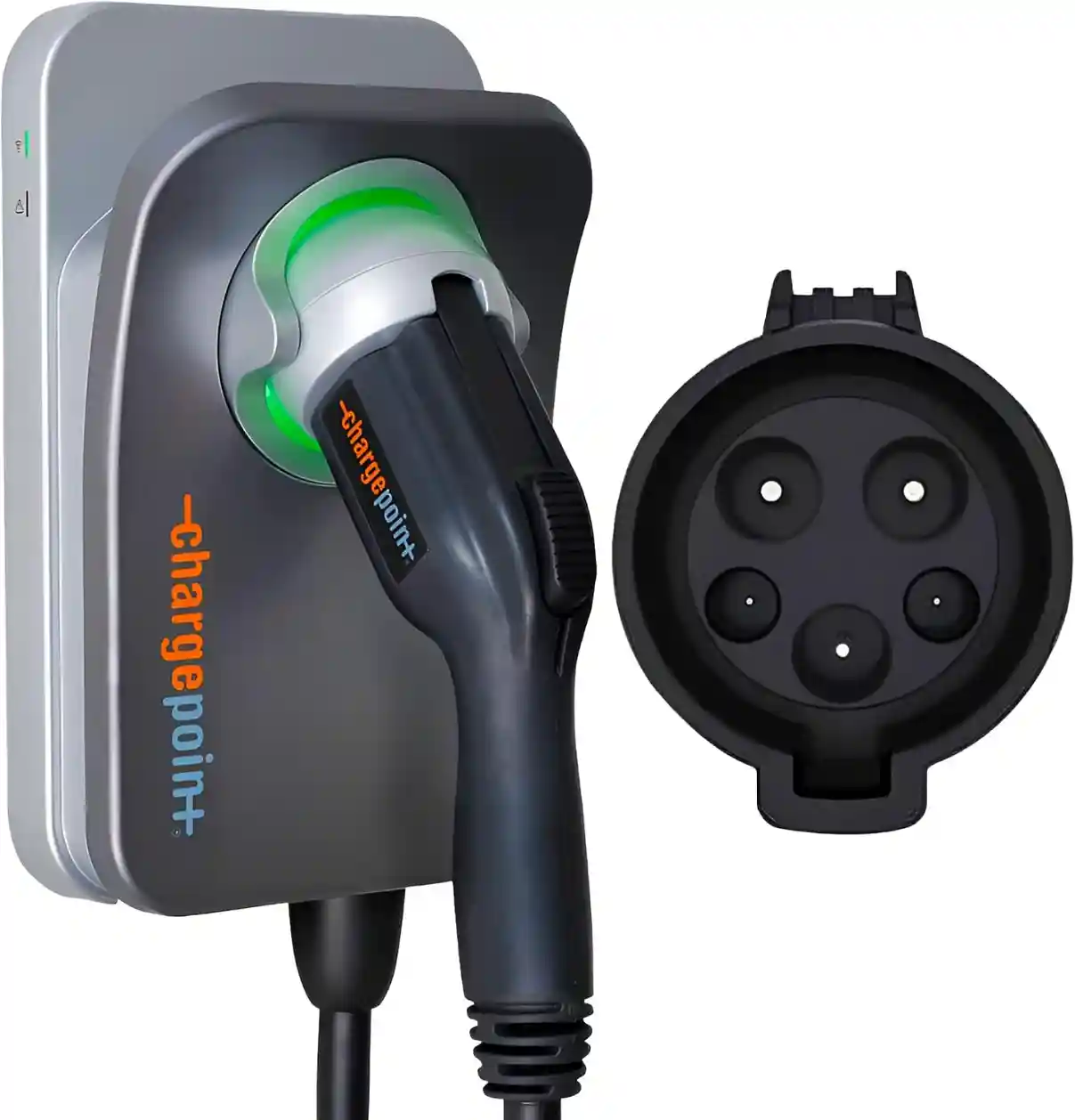
ChargePoint Home Flex Level 2 EV Charger (J1772)
Hardwired 240 V charging up to 50 A — as fast as most EVs can accept at home, with adjustable current and app scheduling.
- Up to 50 A on a hardwired 240 V circuit — around 12 kW, which adds roughly 30 to 37 miles of range per hour on an efficient EV, so an overnight charge covers the next day several times over.
- Adjustable current from 16 A to 50 A in 1 A steps — set it to match the capacity of the circuit you have, which makes an existing 240 V feed usable instead of requiring a service upgrade.
- J1772 connector — plugs directly into every non-Tesla EV; Tesla drivers use the J1772 adapter that came with the car.
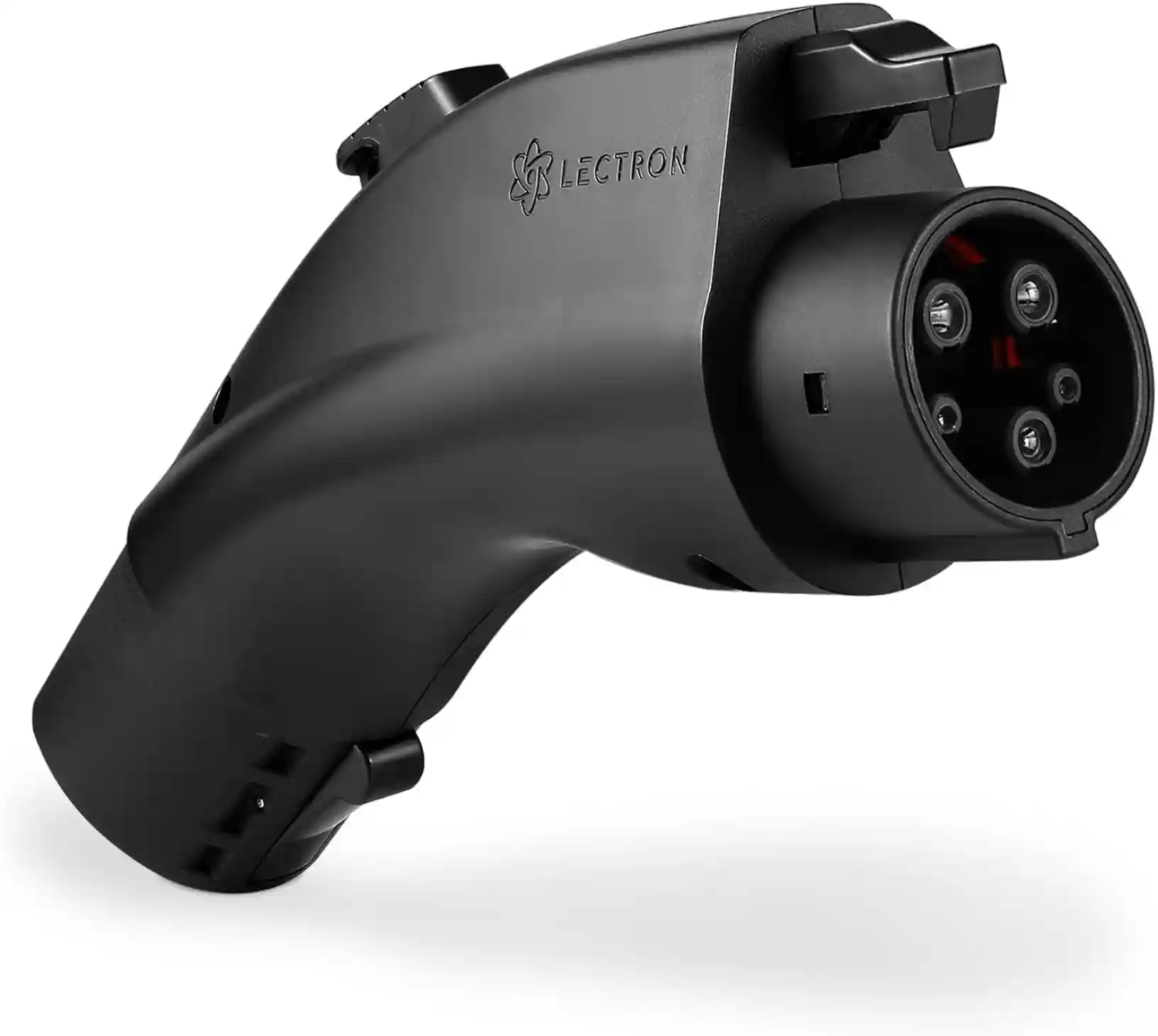
EV charger adapter J1772 to Tesla
Unlocks Tesla destination chargers for non-Tesla EVs, rated up to 48 A.
- Tesla to J1772 connection — lets a non-Tesla EV use Tesla destination and home connectors.
- Rated up to 48 A — handles the full current of most destination chargers, so charging is not slowed.
- Compact and portable — small enough to keep in the car so it is there when you find a charger.

NOCO GENIUS5 Battery Charger
A 5 A automatic charger and maintainer that can stay connected long-term without overcharging.
- Safe long-term maintenance — leave it connected through winter without overcharging the battery.
- 6 V and 12 V support — covers cars, motorcycles, ride-on mowers and most small batteries.
- Multiple chemistry profiles — charges lead-acid and lithium correctly, with the right profile for each.
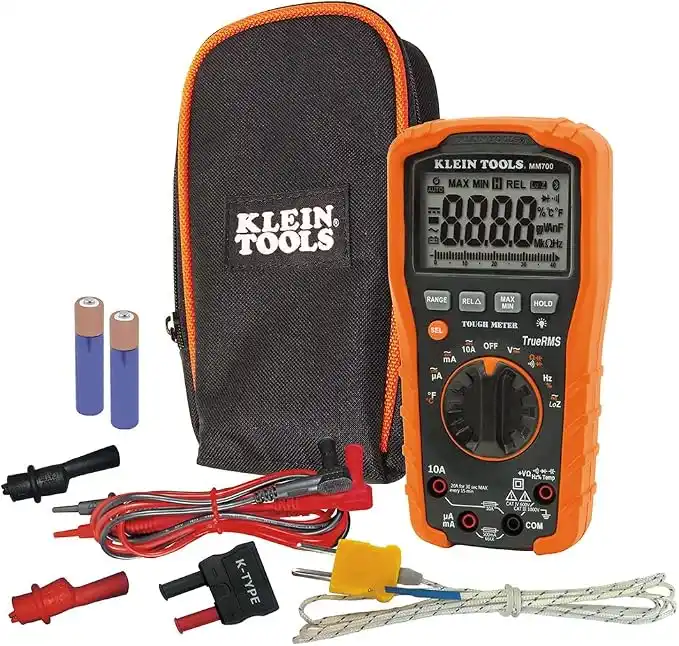
Klein Tools MM700 Auto-Ranging Multimeter
Auto-ranging true-RMS meter with a CAT IV 600 V rating and a tough, drop-tested housing.
- Auto-ranging — connect the probes and read the value, with no range dial to set first.
- True-RMS AC measurement — trustworthy numbers on drives, supplies and electronic lighting.
- CAT IV 600 V rating — the highest common safety category, covering outdoor and service-entrance work.